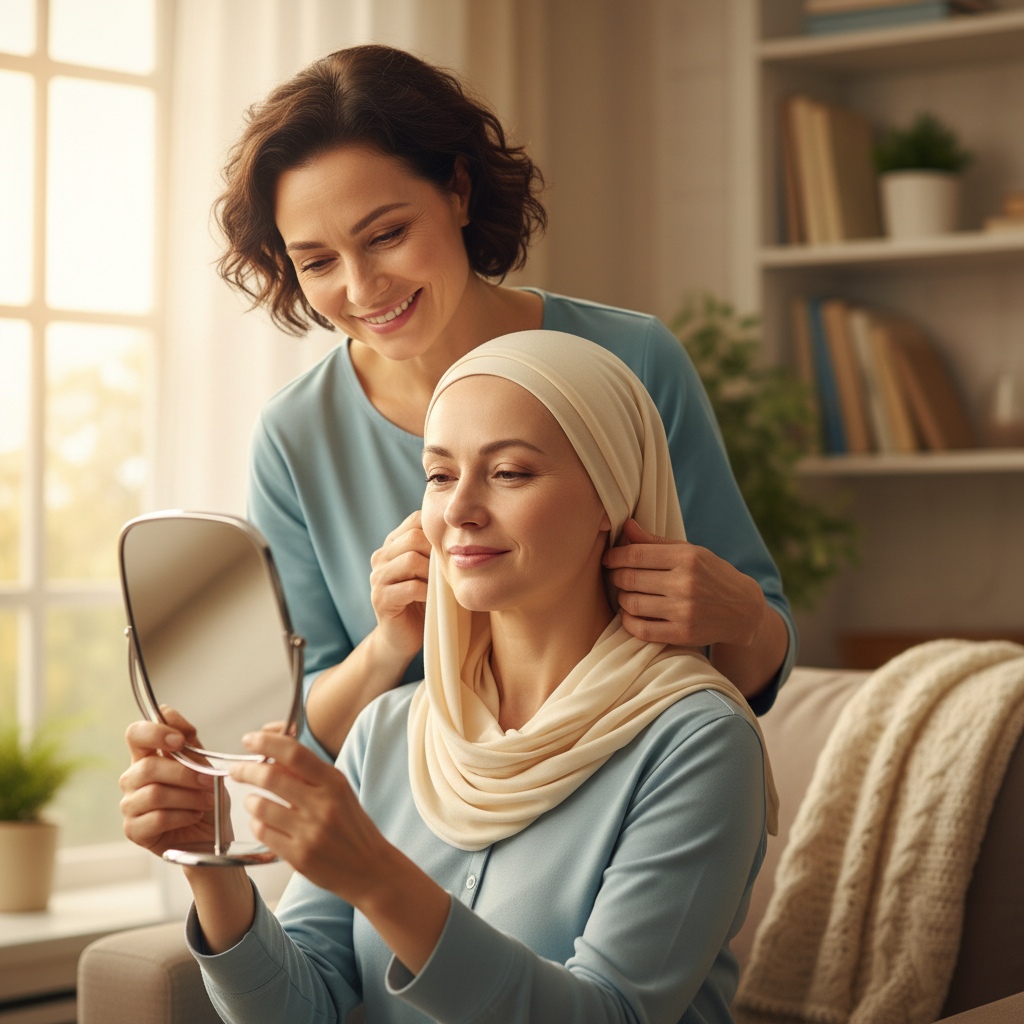
When someone you care for begins chemotherapy, the journey can feel overwhelming, not just for them but for you as their caregiver. One of the most visible and often distressing side effects is hair loss. This guide aims to equip caregivers in Anaheim with the knowledge and resources to help their loved one manage hair loss during chemotherapy with dignity and comfort.
Key takeaways
- Anticipate hair loss and discuss it proactively with the care team to prepare emotionally and practically.
- Explore scalp cooling as a method to potentially reduce chemotherapy-induced hair loss.
- Research local resources in Anaheim for wigs, scarves, and support groups.
- Provide consistent emotional support, emphasizing that your loved one's worth is not tied to their appearance.
- Understand that hair loss is usually temporary, and hair often regrows after treatment concludes.
Understanding Chemotherapy-Induced Hair Loss
Chemotherapy drugs are powerful medications designed to target rapidly dividing cells, which include cancer cells. Unfortunately, these drugs can also affect other fast-growing cells in the body, such as those in hair follicles [1]. Hair loss, or alopecia, is a common and often unavoidable side effect, but its extent and occurrence depend on the specific chemotherapy regimen.
How Chemotherapy Affects Hair Follicles
Chemotherapy agents attack rapidly dividing cells, and hair follicles, being among the fastest-growing cells in the body, are particularly susceptible. When these cells are damaged, the hair shaft weakens and eventually breaks or falls out. This can affect hair on the scalp, eyebrows, eyelashes, and even body hair.
The Emotional Impact on Patients
For many patients, losing their hair can be one of the most visible and emotionally challenging aspects of cancer treatment. It can be a constant, public reminder of their illness, impacting self-esteem, body image, and even leading to feelings of sadness or isolation. As a caregiver, acknowledging and validating these feelings is crucial.
Preparing for Hair Loss
Facing hair loss can be less daunting when you and your loved one are prepared. Proactive planning allows for a smoother transition and more control during a time that often feels out of control.
Discussing with the Medical Team
It's important to ask the medical team about the likelihood and timing of hair loss given the specific chemotherapy drugs prescribed. Some drugs cause complete hair loss, while others may only cause thinning or no loss at all. Understanding what to expect can help set realistic expectations. For a comprehensive overview of treatment side effects, consider requesting a /second-opinion with one of our specialized oncologists in Orange County.
Optimal Timing for Hair Care Actions
Many patients choose to cut their hair short before it starts to fall out, or even shave it completely. This can be less traumatic than watching clumps of hair fall out. Plan for these steps a few days to a week before the expected hair loss begins. It gives your loved one a sense of agency and prepares them for the change gradually.
In-depth look
Scalp Cooling: A Potential Solution
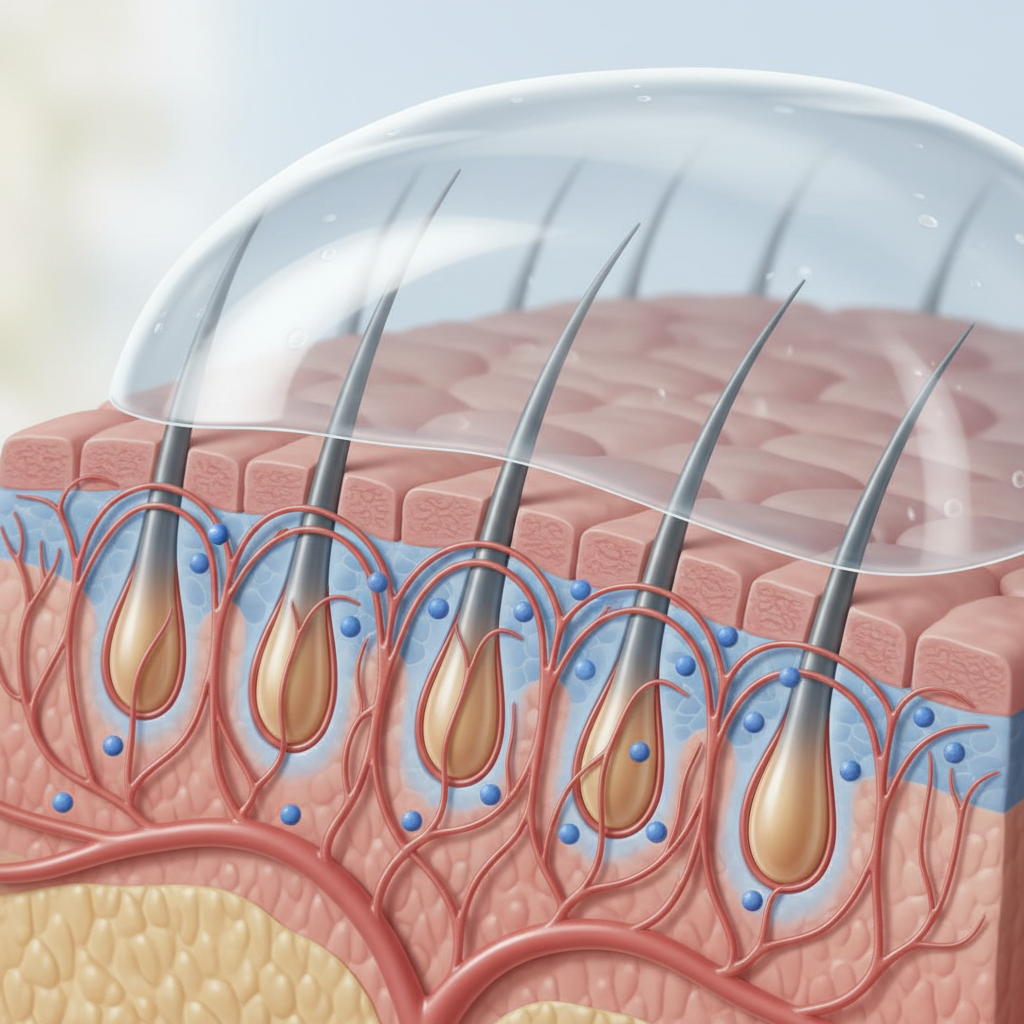
Scalp cooling, also known as 'cold caps,' involves wearing a tightly fitting cap that is cooled to a low temperature before, during, and after each chemotherapy infusion. The cold constricts blood vessels in the scalp, reducing the amount of chemotherapy drugs that reach the hair follicles [10]. This can help preserve hair for many patients.
Efficacy and Availability in Anaheim
While not 100% effective for everyone or every chemotherapy regimen, studies show scalp cooling can be successful for a significant number of patients, particularly those undergoing certain types of chemotherapy [2]. In Anaheim and broader Orange County, many cancer centers offer scalp cooling technology. Discuss with your loved one's oncologist if this is an option and if their insurance covers it, as it can be an out-of-pocket expense.
How to Support During Scalp Cooling
Scalp cooling can be uncomfortable, causing headaches and intense cold sensations during the initial phase of each session. As a caregiver, you can provide warm blankets, offer pain relievers (with medical team approval), and distract them with conversation, music, or movies. Your presence and comfort can make a big difference during these long sessions.
Practical Strategies for Managing Hair Loss
Once hair loss begins, having practical strategies in place can help maintain a sense of normalcy and comfort for your loved one.
Choosing Wigs, Scarves, and Head Coverings
Ranging from synthetic to human hair, wigs offer a way to regain a familiar look. In Anaheim, several specialized boutiques and online retailers cater to cancer patients, often offering consultations and styling services. Scarves, turbans, and hats can be comfortable alternatives, providing warmth and protection while allowing for personal expression. Encourage your loved one to explore different options and find what makes them feel most confident.
Hair Care During Treatment
During treatment, gentle hair care becomes paramount. Advise using mild shampoos and conditioners, avoiding harsh brushes, and minimizing heat styling. Hair follicles become very sensitive, and rough treatment can exacerbate shedding. Even if hair is thinning, maintaining scalp hygiene is important for comfort and to prevent irritation.
Eyelash and Eyebrow Loss
Chemotherapy can also cause thinning or loss of eyelashes and eyebrows, which can further impact appearance. Suggest using eyebrow pencils or stencils to redraw eyebrows, or false eyelashes if desired. Many makeup artists specializing in oncology aesthetics in Orange County offer classes or consultations to help patients learn these techniques. The Ask the Assistant chat (floating button on the bottom right) can help you find local resources for this, quickly and for free.
Emotional Support and Well-being
The emotional toll of hair loss cannot be overstated. Your role as a caregiver extends beyond practical assistance to providing profound emotional support.
Validating Feelings and Encouraging Open Communication
Your loved one might experience a range of emotions: sadness, anger, fear, or even relief. Encourage them to talk openly about their feelings without judgment. Simply listening and acknowledging their experience can be incredibly powerful. Remind them that it's okay to grieve the loss of their hair and their previous appearance.
Maintaining Self-Esteem and Body Image
Reassure your loved one that their identity and worth are not defined by their hair. Focus on their inner strength, courage, and all the qualities you admire in them. Plan activities they enjoy, encourage self-care, and celebrate small victories throughout their treatment journey.
Connecting with Support Networks
Connecting with others who understand can provide immense comfort. Many cancer support groups in Anaheim offer a safe space to share experiences and coping strategies. Organizations like the American Cancer Society also provide resources and forums specifically for cancer patients and their caregivers. Local Orange County cancer centers, including those in Anaheim, often host their own patient and caregiver support programs.
Post-Treatment Hair Regrowth
While the focus during treatment is often on managing loss, it's important to remember that hair loss is typically temporary. The anticipation of regrowth can be a source of hope.
What to Expect During Regrowth
Hair typically starts to regrow a few weeks to months after chemotherapy sessions conclude. The texture, color, and thickness of the new hair might be different initially. It could be finer, curlier, or even a different shade. These changes are usually temporary, and hair often returns to its original state over time. Hair growth rates vary, but on average, scalp hair grows about half an inch per month [3].
Gentle Care for New Hair
Just as during treatment, gentle care is crucial for new hair growth. Advise continuing to use mild products, avoiding harsh chemical treatments like dyes or perms until the hair is stronger, typically a few months after regrowth. Regular trims can help remove any damaged ends and encourage healthy growth.
When to Consider Hair Restoration
For some patients, hair may not regrow as expected, or they may experience persistent thinning. In these cases, consulting a dermatologist or a hair restoration specialist can be an option. There are clinics in Anaheim, such as Anaheim Dermatologist [8] and True Dermatology [9], that specialize in hair restoration therapies, though these are typically for non-chemo-induced hair loss. For cancer patients, discussing persistent issues with their oncology team is the first step.
Resources in Anaheim and Orange County
Finding local support can make a significant difference in practical management and emotional well-being.
Local Wig and Prosthesis Boutiques
Anaheim and surrounding areas in Orange County host several boutiques specializing in wigs and head coverings for cancer patients. These establishments often provide personalized fittings, styling services, and can help navigate insurance claims. Yelp lists several highly-rated hair loss centers near Anaheim [7].
Support Groups and Counseling Services
Orange County has numerous cancer support groups and counseling services. These groups offer a vital peer network for patients and caregivers alike, sharing experiences and coping mechanisms. Your loved one's cancer treatment center can provide information on local offerings.
Online and National Resources
Numerous online resources, such as the American Cancer Society and Cancer.org, provide extensive information, forums, and connections to national services. The National Cancer Institute (NCI) is another excellent resource for evidence-based information on cancer and its side effects [4]. These resources can supplement local offerings and provide valuable insights.
Frequently asked questions
When does hair loss typically start after chemotherapy begins?
Hair loss usually begins about two to four weeks after the first chemotherapy treatment. It often starts with shedding and can progress to more significant loss over a few days or weeks.
Will my loved one's hair grow back exactly as it was before?
Often, hair grows back with a different texture or color initially, sometimes curlier or finer. Over time, it usually returns to its pre-chemo texture and color, but this can take several months to a year.
How can I make my loved one more comfortable if they've lost their hair?
Offer soft hats, scarves, or caps made of breathable fabrics to protect their sensitive scalp from sun and cold. Encourage them to choose coverings that make them feel good. Gently massage their scalp to promote circulation and comfort, if they tolerate it.
Is hair loss painful?
While the act of losing hair is not typically painful, some people report scalp tenderness, tingling, or itching as hair begins to fall out. This discomfort is usually temporary.
Can diet or supplements prevent chemotherapy hair loss?
Currently, there is no scientific evidence that specific diets or nutritional supplements can prevent chemotherapy-induced hair loss. Always discuss any dietary changes or supplements with the medical team, as some can interfere with treatment [6].
Are there any long-term effects of chemotherapy on hair?
For most, hair regrowth is complete and permanent. In rare cases, especially with high doses or certain types of chemotherapy, permanent hair thinning or baldness is possible. This is something to discuss with the oncology team.
When to call your care team
- If your loved one experiences severe scalp pain, redness, or signs of infection.
- If they express significant emotional distress or depression due to hair loss that you feel unequipped to handle.
- If they develop new or worsening skin issues on their scalp.
- If their hair doesn't start to regrow several months after treatment ends, and they are concerned.
How Cancer Answers OC can help
As a caregiver, you're not alone in navigating the challenges of cancer treatment for your loved one. Cancer Answers OC provides personalized, evidence-based support and resources for families in Orange County, including Anaheim. From connecting you with local specialists to understanding treatment options, we're here to help you find the answers you need. Explore our /find-specialist page to connect with top oncology experts. Don't forget our free Ask the Assistant chat available 24/7 on our website (floating button on the bottom right) for instant, private assistance with your questions, offering live support from OC specialists when needed.
Related resources
- What to Expect: Managing Chemotherapy Side Effects in Newport Beach
- Navigating Fatigue During Melanoma Treatment: A Caregiver's Guide
- Navigating the Common Side Effects of Lymphoma Treatment: A Caregiver's Guide
- Find a cancer specialist in Orange County
- Get a second opinion
- Insurance and coverage guide
Sources
- New insights into pancreatic cancer stem cells - PMC - NIH. URL: https://pmc.ncbi.nlm.nih.gov/articles/PMC4404390/
- Summary of the American College for Advancement in Medicine .... URL: https://pmc.ncbi.nlm.nih.gov/articles/PMC1513152/
- Monitoring carboplatin ototoxicity with distortion-product otoacoustic .... URL: https://pmc.ncbi.nlm.nih.gov/articles/PMC4787621/
- [PDF] Bruce J. Tromberg CV. URL: https://www.nibib.nih.gov/sites/default/files/2024-04/BT-CV-March2024.pdf
- ARO's 47th Annual MidWinter Meeting in Anaheim 2024 - PMC. URL: https://pmc.ncbi.nlm.nih.gov/articles/PMC10933225/
- 203/212Pb theranostic radiopharmaceuticals for image-guided .... URL: https://pmc.ncbi.nlm.nih.gov/articles/PMC10613023/
- Top 10 Best Hair Loss Centers Near Anaheim, California - Yelp. URL: https://www.yelp.com/search?find_desc=Hair+Loss+Centers&find_loc=Anaheim%2C+CA
- Hair Restoration Therapy - Anaheim Dermatologist. URL: https://anaheimdermatologist.com/prp/hair-restoration-therapy/
- Anaheim | True Dermatology Monterey Park. URL: https://www.truedermmd.com/clinic/anaheim
- Using Cooling Cap for Hair Loss Prevention in Cancer Patients. URL: https://www.meshkinmedical.com/post/using-cooling-cap-for-hair-loss-prevention-in-cancer-patients